3D simulators
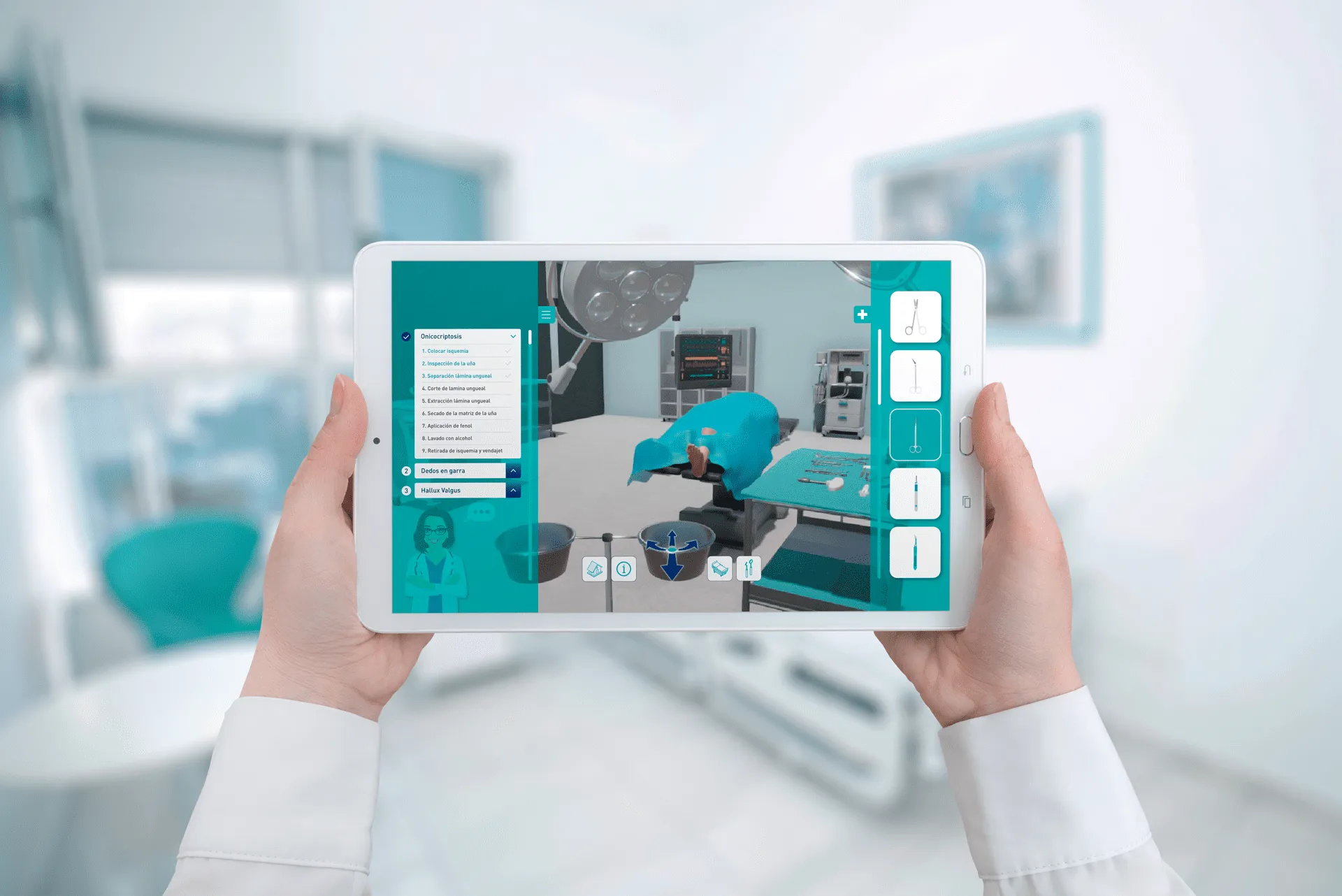
MEDICAL SIMULATORS
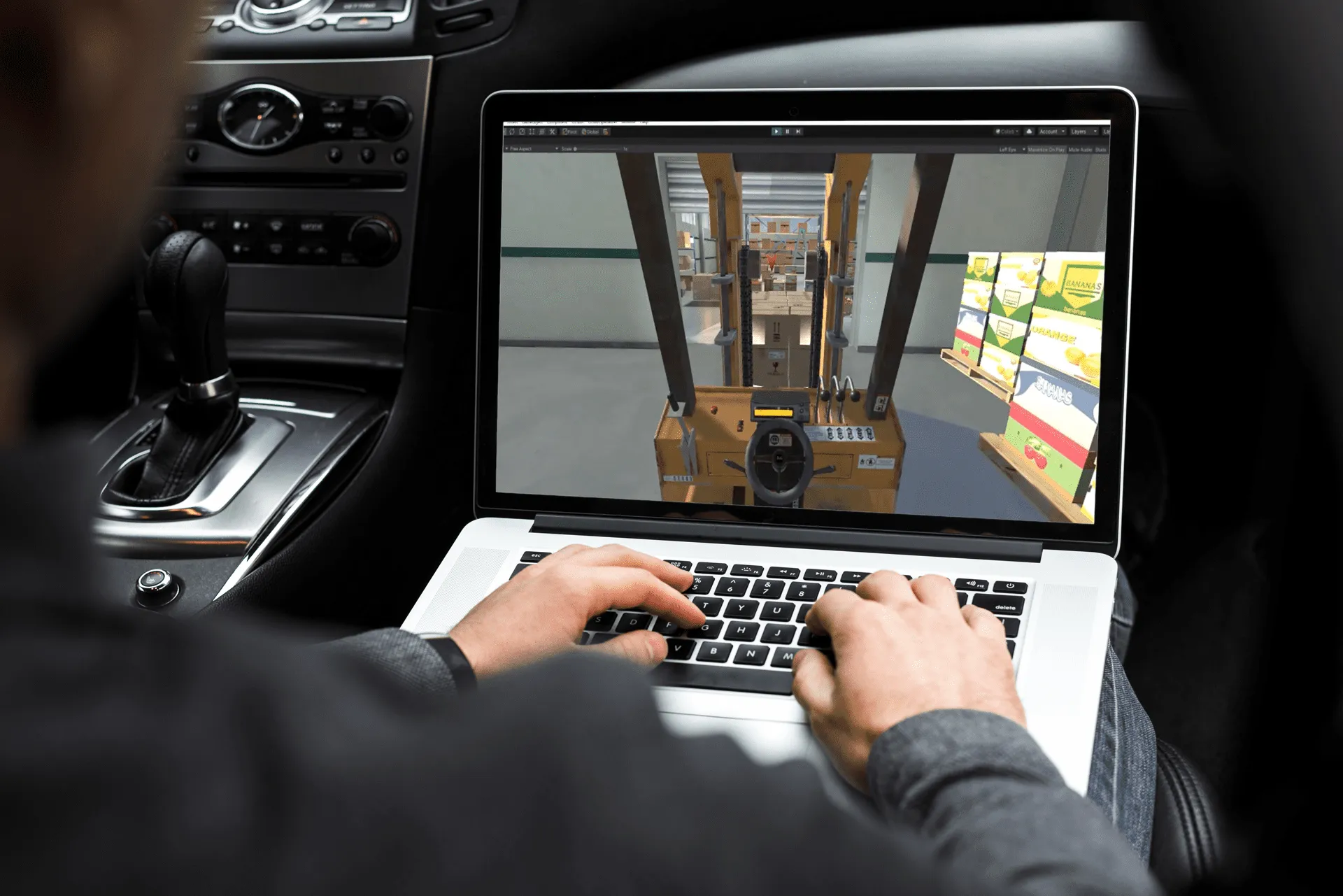
SIMULATORS FOR INDUSTRY
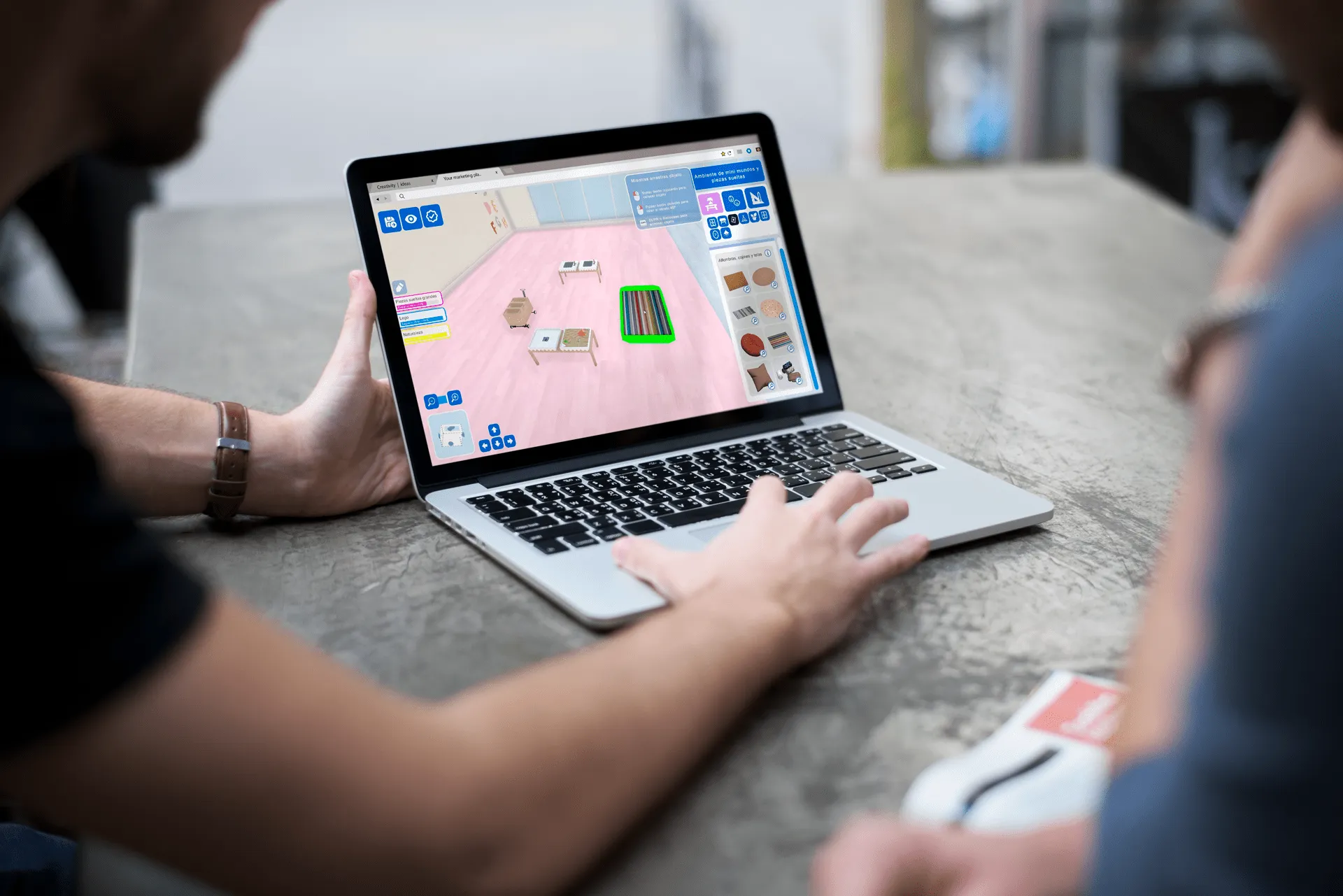
SIMULATORS FOR TEACHERS

OCCUPATIONAL RISK PREVENTION SIMULATORS
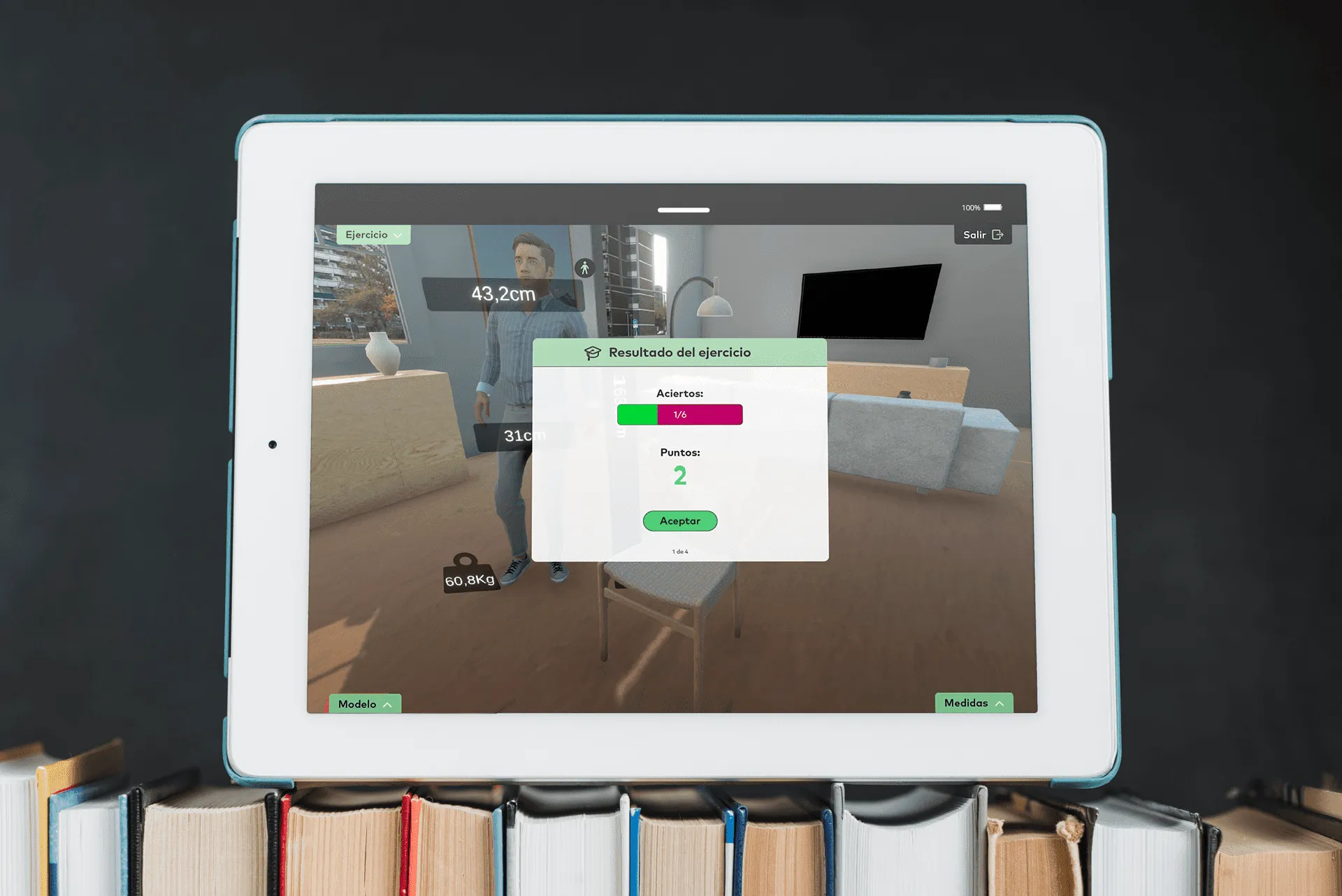
SIMULATORS FOR UNIVERSITY TRAINING
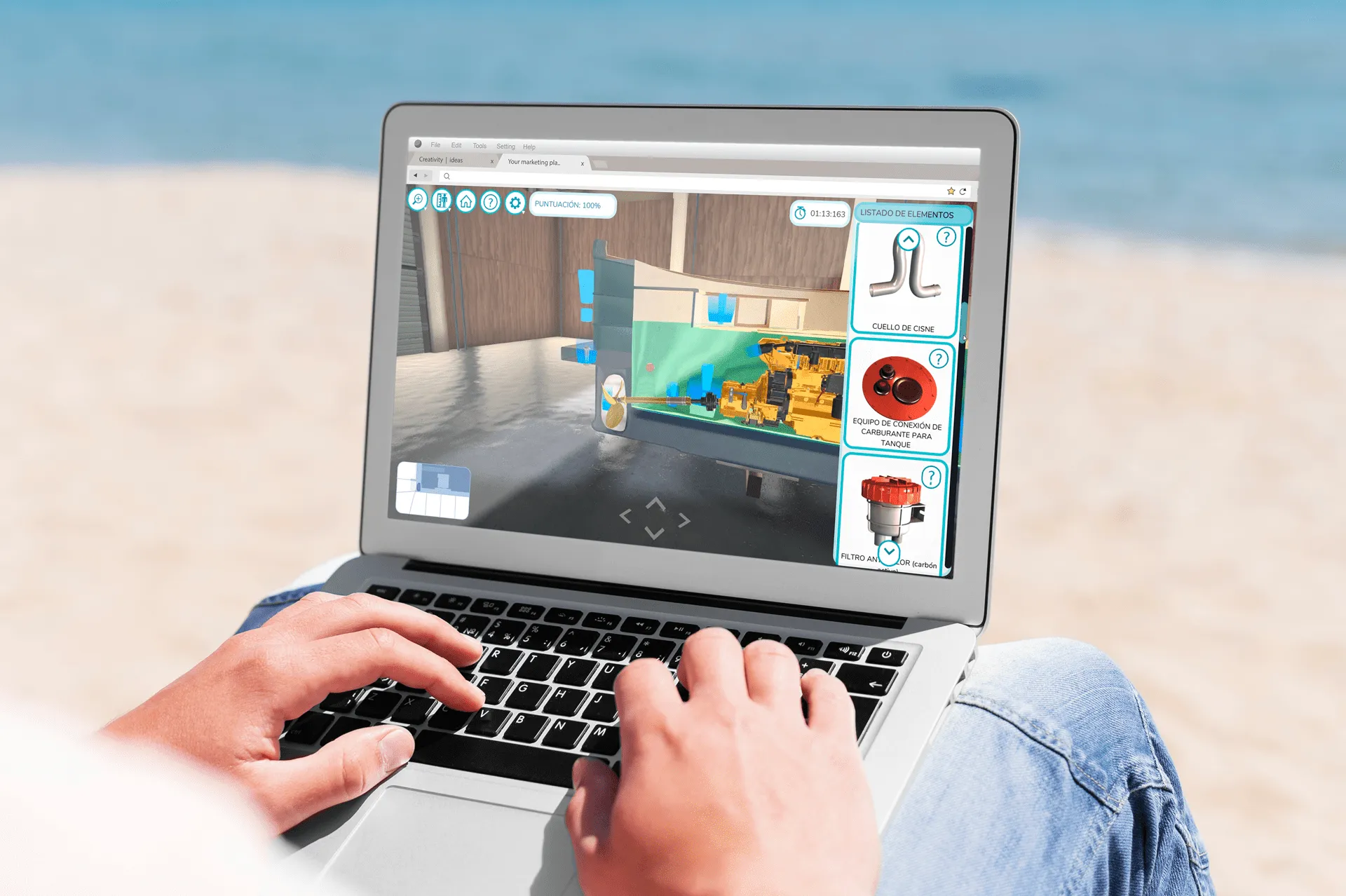
NAUTICAL SIMULATORS
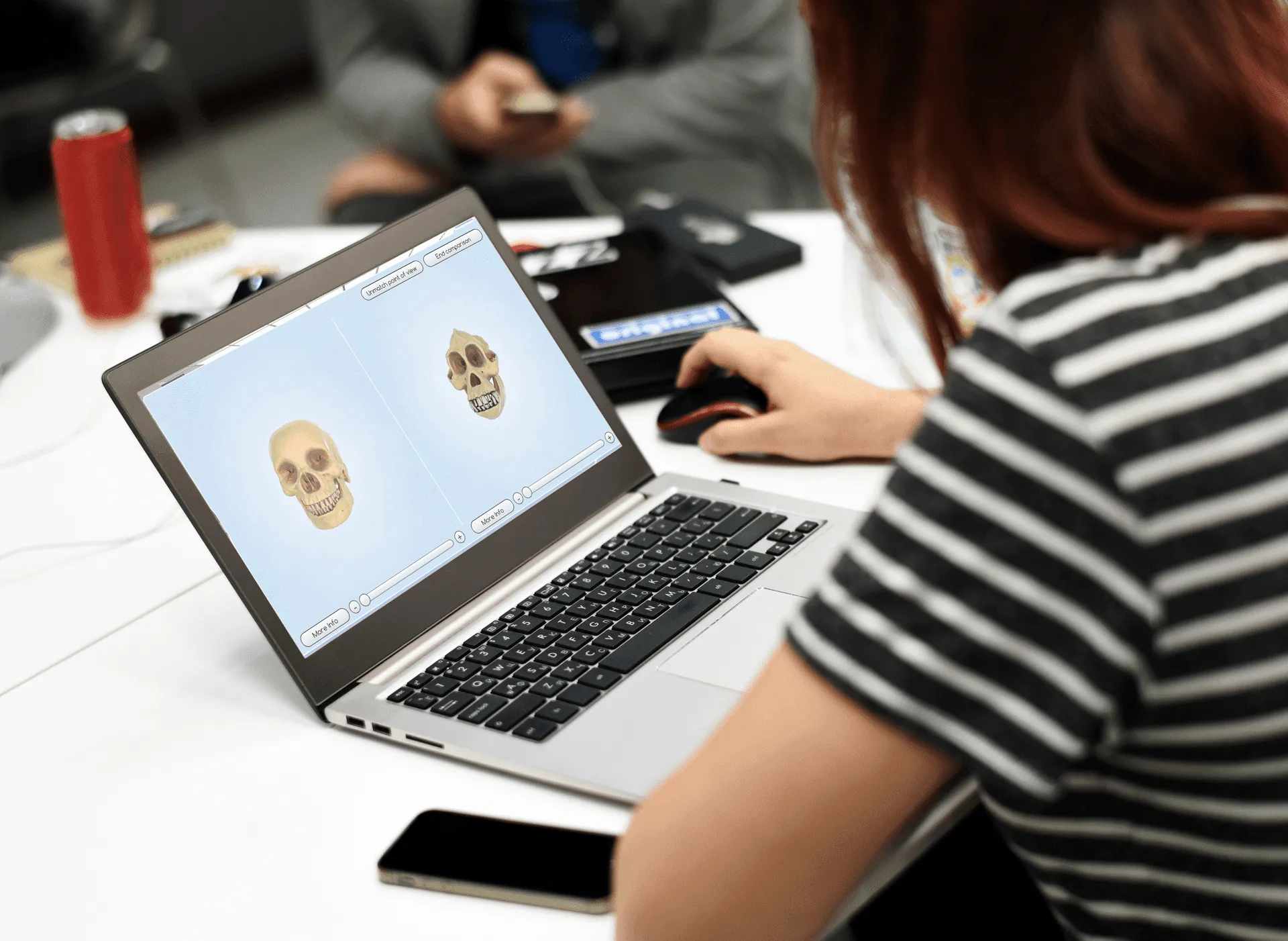
VIRTUAL SCIENCE LABORATORIES
Custom 3D simulators for hands-on training and virtual reality
At REM Experience we are transforming corporate training with 3D simulators built for computers, mobile phones, tablets and virtual reality headsets, delivering practical, effective training across many sectors.
Among our projects, the immersive simulator for the University of Design, Innovation, and Technology in Madrid and the Virtual Reality program developed for Applus stand out, allowing vehicle inspectors to train in a safe environment. We have also created a virtual anthropology lab for a U.S. publishing company, bringing academic practice into a digital environment.
Our simulators cover sectors such as healthcare, industry, and maritime, integrating e-learning and gamification to engage users and optimize their learning experience. Additionally, each simulator collects key performance metrics, providing companies with valuable insights into their teams' progress.
Frequently asked questions
What is a 3D training simulator?
It is a virtual environment that recreates a real workstation, machine or procedure so people can practise making decisions, make mistakes without consequences and repeat as often as they need. At REM Experience we design every simulator from scratch around the procedure to be trained.
Which devices do your simulators run on?
We adapt them to each training context: computers, mobile phones, tablets or virtual reality headsets. They can also run straight in the browser with WebGL, with nothing to install, like the classroom simulator we developed with SomDocents.
Which sectors do you build simulators for?
We have built medical simulators and simulators for industry, occupational risk prevention, marine, teachers and university training, as well as virtual science labs. Our clients include Applus+, which trains its vehicle inspectors with our simulator, the Centre de la Mar and the University of Design, Innovation and Technology (UDIT).
What does the simulator tell you about each trainee's progress?
At the end of each session, the trainee and the training provider receive their metrics —time spent, correct answers and mistakes, final score— so each person can be tracked and assessed from within the simulator itself.
How long does it take to develop a 3D simulator?
It depends on the scope and level of detail. A prototype can be ready in 4 to 6 weeks, and a full project usually takes 2 to 4 months, with partial deliveries and reviews at every stage.
How do we start a simulator project?
Tell us which procedure you want to train, who it is for and which devices it will be used on. From there we propose a scope and a schedule. You can write to us from the contact page.