
Immersive training
Interactive, immersive training arrives with REM Experience
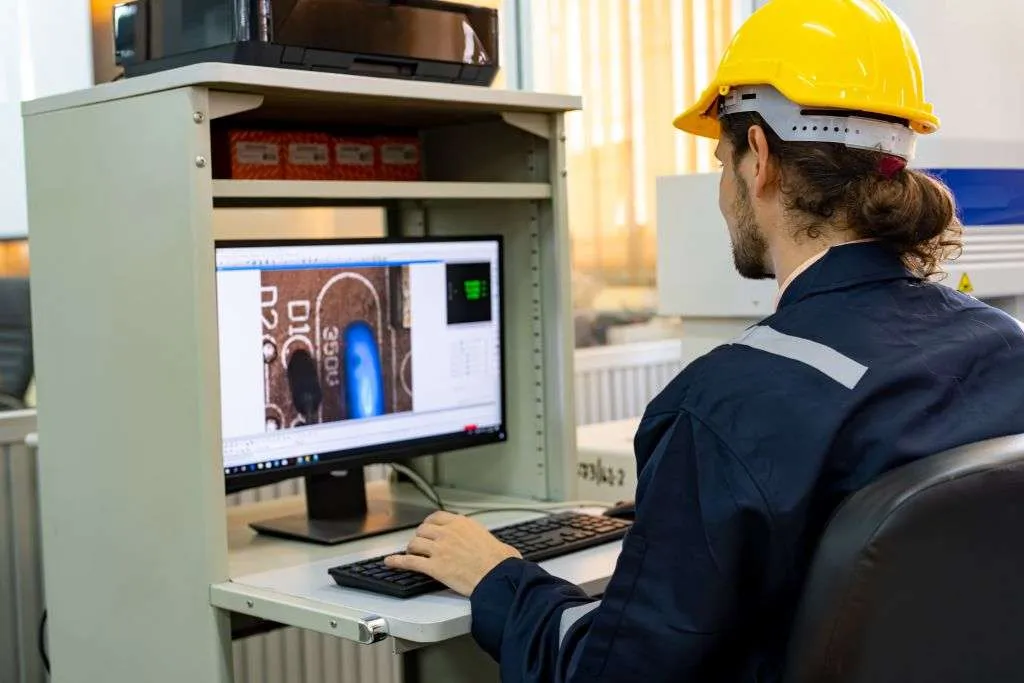
New technologies have multiplied access to training for students and workers and brought major changes to training methods. People who want or need training today expect interactive, dynamic courses that motivate them and lead to meaningful learning. That is why at REM Experience we specialise in developing training simulators, the new tool for delivering successful training adapted to today's needs.
The traditional approach of dull PDFs accompanied by a few videos has been left behind, as it has become clear that what people practise for themselves they learn far better than what they simply read or hear. In other words, first-hand experimentation is key to the success of any training course, yet it is hard to guarantee in conventional training.
TRAINING WITH 3D SIMULATIONS
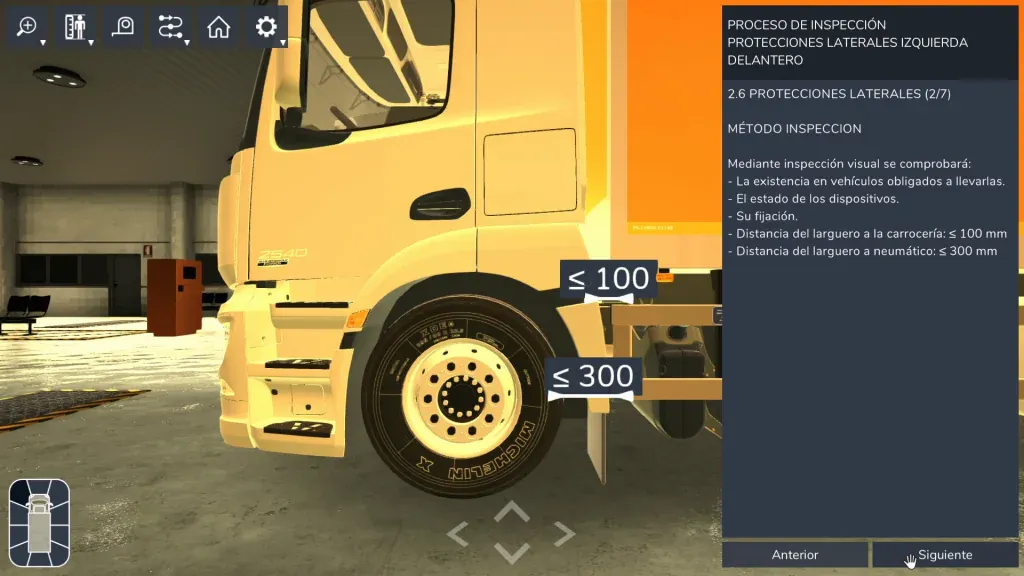
As new technologies advance, the answer lies in 3D training simulations, which are increasingly common thanks to their many benefits. 3D simulations allow training centres and companies that need to train their staff to recreate real environments so people can take part in interactive, motivating sessions anytime, anywhere, with just a computer or tablet. They also allow experimentation in a safe environment, delivering significant cost savings.
Training through 3D simulations lets students repeat practice as often as they like, learning from their own successes and mistakes and achieving meaningful learning through interaction and experimentation.
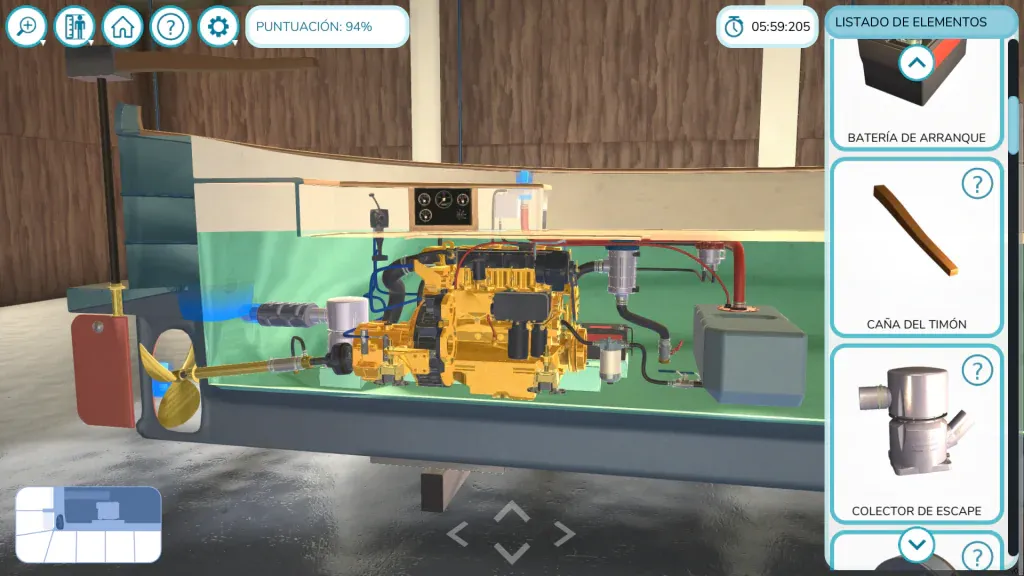
At REM Experience we have developed simulators that successfully train vehicle inspectors, marine mechanics students and teachers to accredited standards, and we are seeing growing demand for these new technology tools.
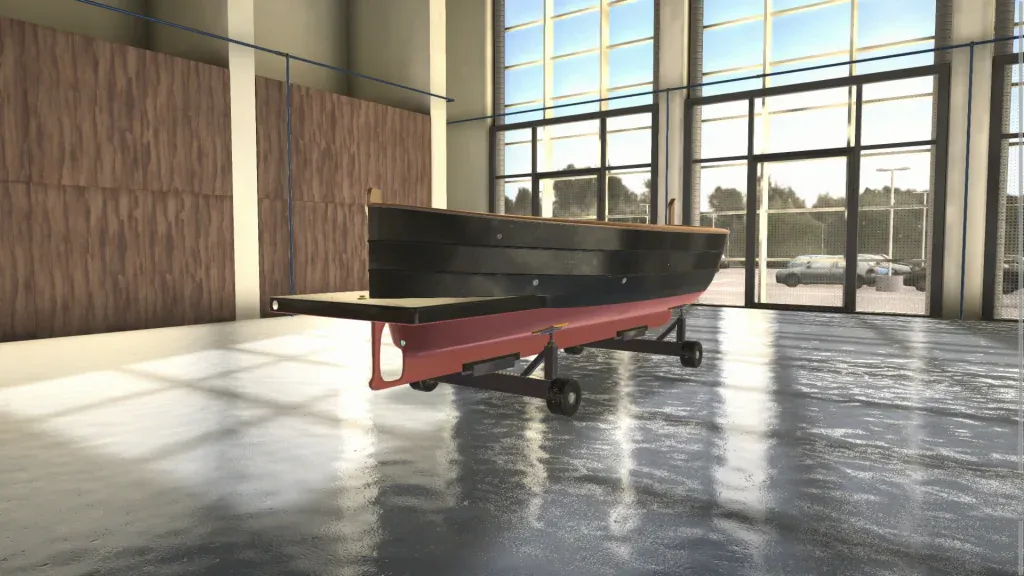
A few years ago, simulators like these were mainly developed to avoid high-risk practice in real environments, but they have now spread to a wide range of sectors, as it has become clear that student motivation and learning improve considerably compared with conventional methods, in which students have to memorise lots of information without being able to take part, make decisions or quickly put what they have learnt into practice.
LEARNING BY DOING
Part of the success of interactive learning through these 3D simulations lies in learning by doing, that is, learning by trial and error. They also speed up learning: instead of following the classic approach of explaining the principles first and then offering specific cases as isolated exercises, these simulations present concrete situations from which the principles can be deduced.
All in all, training through 3D simulations brings considerable cost savings for the company or organisation delivering it, since students can study in person or online without needing a tutor or teacher physically present, and no real environments need to be set up for practice.
In today's context, it is essential to have e-learning tools that ensure training can be delivered with the same guarantees both in person and remotely.
At the end of each session, both the student and the training provider receive each participant's metrics (time spent training, correct answers and mistakes, final score, etc.), so each student can be fully tracked and assessed from within the simulator itself.
That is why training through 3D simulations is growing, led by companies and training providers that understand the enormous potential of these technology tools.