
Virtual reality
Virtual reality is multiplying industrial machinery sales
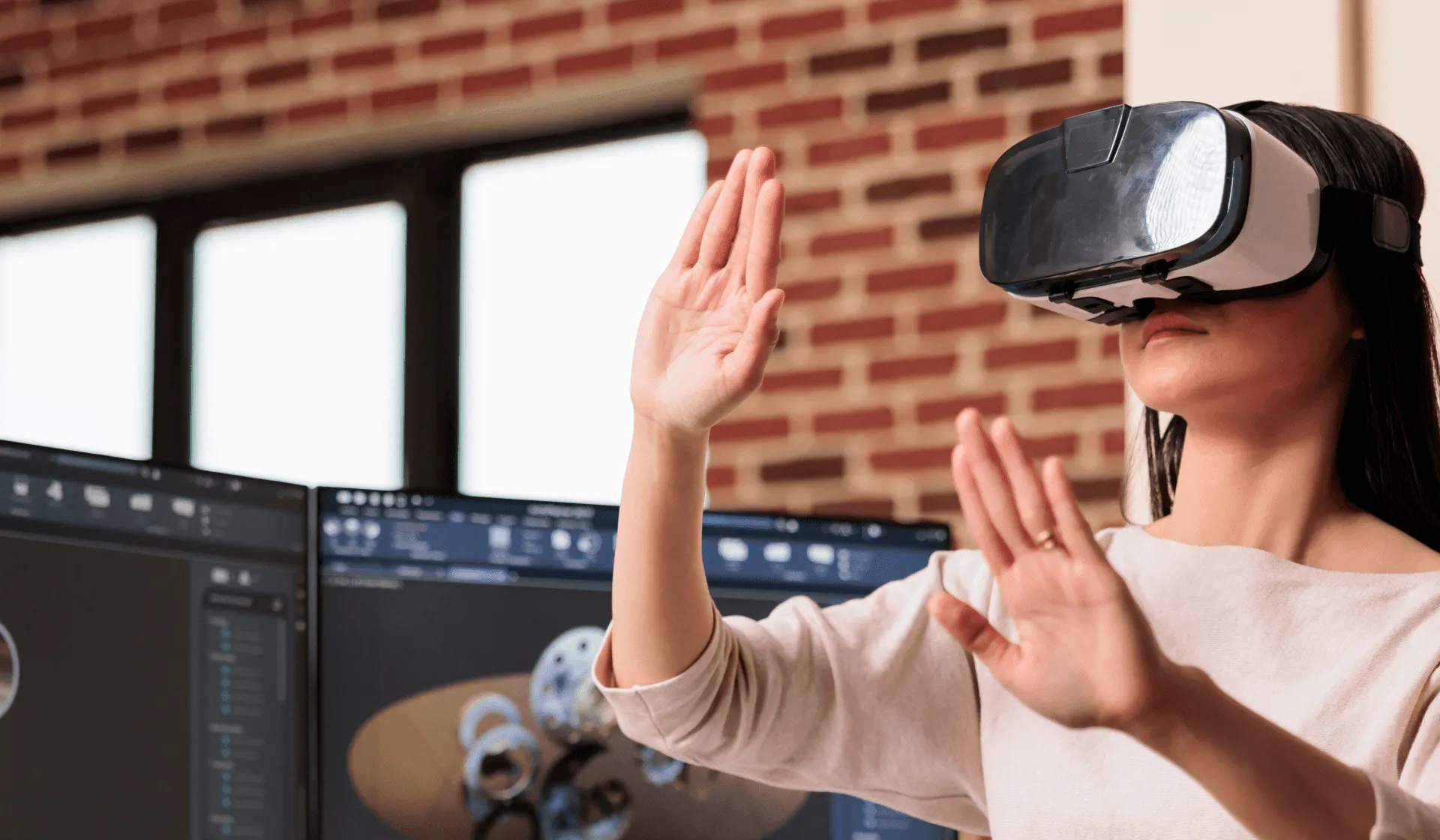
Virtual reality has transformed the way industrial machinery is presented and sold. Walking past dozens of stands at a trade fair looking for the right machine for a company, or travelling dozens of kilometres to check how a machine works, are now things of the past thanks to this technology.
Recreating a machine or technology development for any industrial sector in virtual reality gives customers and prospects all the information they need in an engaging, convenient and fast way, both at trade fairs and on their own premises, which is why its use has grown exponentially in recent years.
A TOUR IN VIRTUAL REALITY
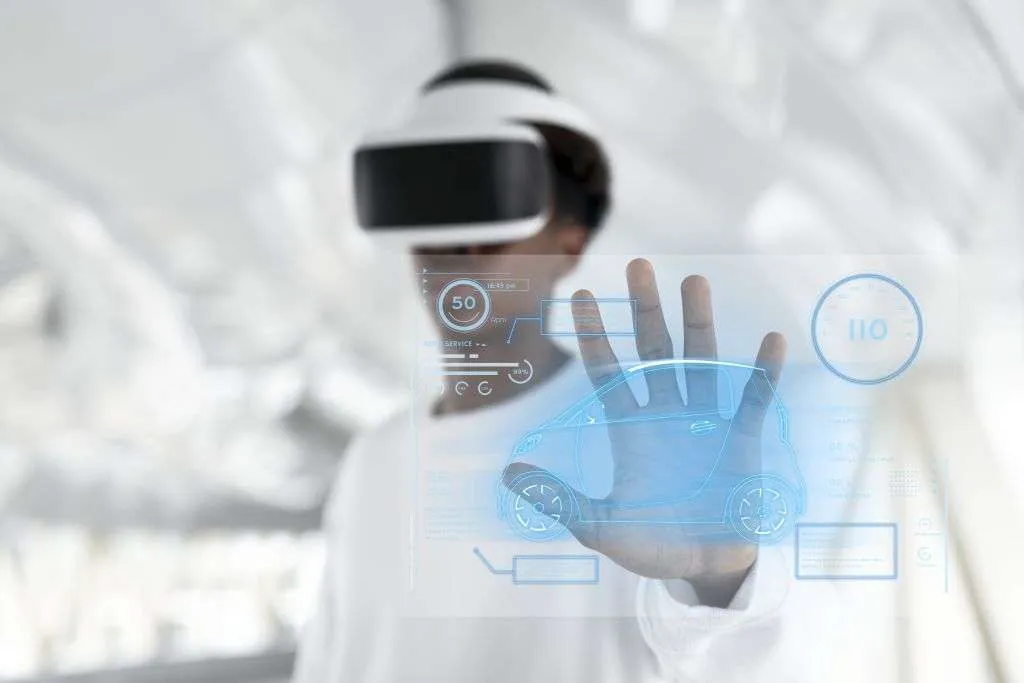
REM Experience CEO Andreu Florit explains that with virtual reality headsets customers can see and walk around the machine, inside and out, learn about and test its functions, and check the timings and details of the whole process first-hand. “And all this in a comfortable experience they can have without getting up from a chair, allowing them to focus entirely on the purchasing process.”
That is why, rather than a one-off experience, the most advanced companies are now working to bring their entire catalogue into VR so customers can browse it with their headsets, choose the machine or development that suits them and explore it in depth in an immersive way.
IMPROVEMENTS BEFORE GOING TO MARKET
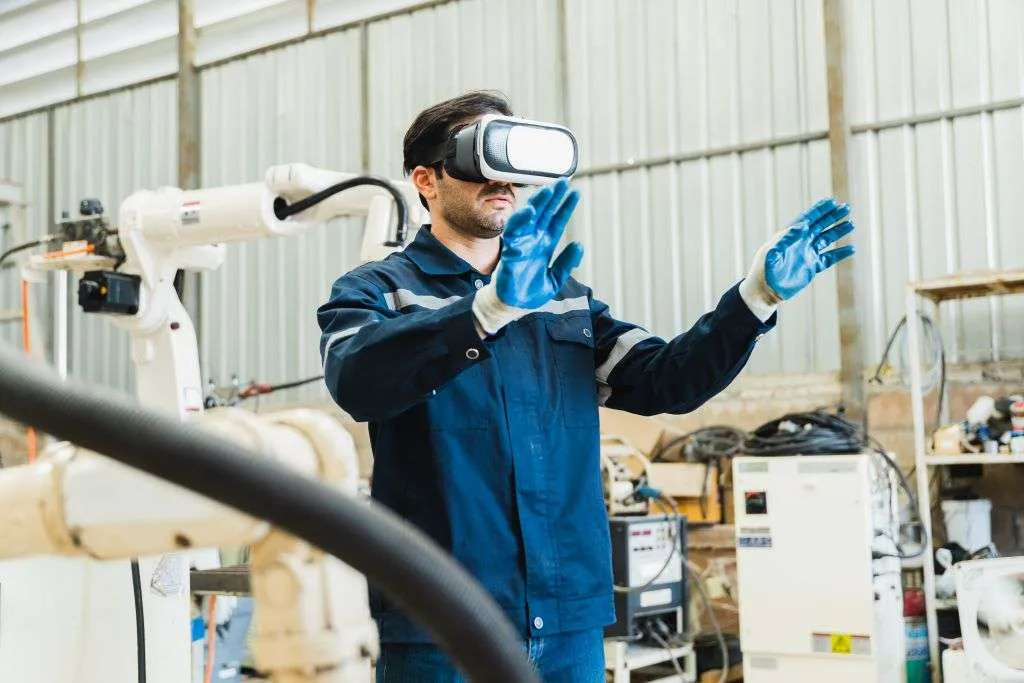
Using virtual reality in industrial machinery development has many other advantages too. For example, some companies already know the benefits of applying virtual reality at the machine design stage, a process that makes it possible to correct design errors in time and improve aspects such as accessibility, ergonomics, access, fit, operation and maintenance. In other words, it adds value to technical development.
Florit explains that until now many companies have developed new machinery prototypes with 3D tools that show the machine in detail, but this is not enough when it comes to validating the design with the customer. “Virtual reality makes it possible to resolve important technical issues before the machine is manufactured and launched, and it also generates high customer satisfaction,” he says.
Bringing virtual reality into the production process also provides a modern, efficient tool for training staff, who can use virtual reality headsets to learn how the machine works and how to operate it in record time. It also substantially improves how the product is marketed, with significant cost savings, since it allows spectacular presentations without transporting machinery or preparing real spaces for each demonstration.
CONNECTING WITH CUSTOMERS
“Virtual reality lets industrial machinery manufacturers interact with their products and take them to another level, connect with their customers better than ever and project the image of a modern, innovative and efficient company, which is key to competing in today's market,” says the CEO of REM Experience.
REM Experience specialises in applying virtual reality to the development of machinery and industrial processes. We advise and support our clients throughout the process, from the initial project concept to implementing virtual reality in their production process, always looking for the best solutions for each company and development. The success of our projects in this field makes us an efficient, competitive technology partner for machinery manufacturers in any sector.