Educational metaverse
The educational metaverse, a step forward in transforming training systems
REM Experience is one of the companies developing the innovative Educational Metaverse, which aims to transform current teaching methods and training systems and is funded through the support programme for Innovative Business Clusters (AEI) of Spain's Ministry of Industry, Trade and Tourism. Smartech Cluster leads the project, which also involves the University of Design, Innovation and Technology (UDIT), Futurespace IT Solutions and 3ipunt.
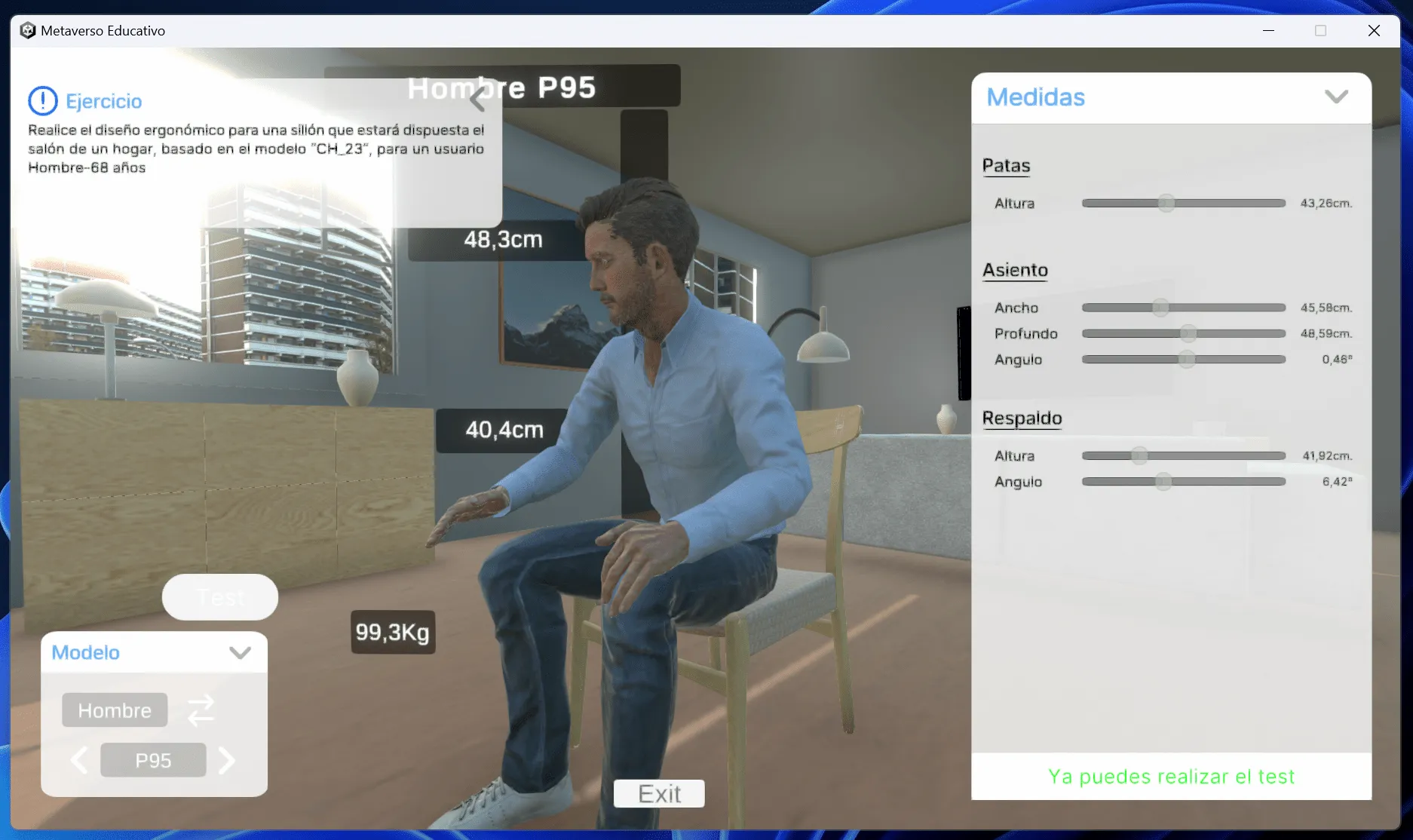
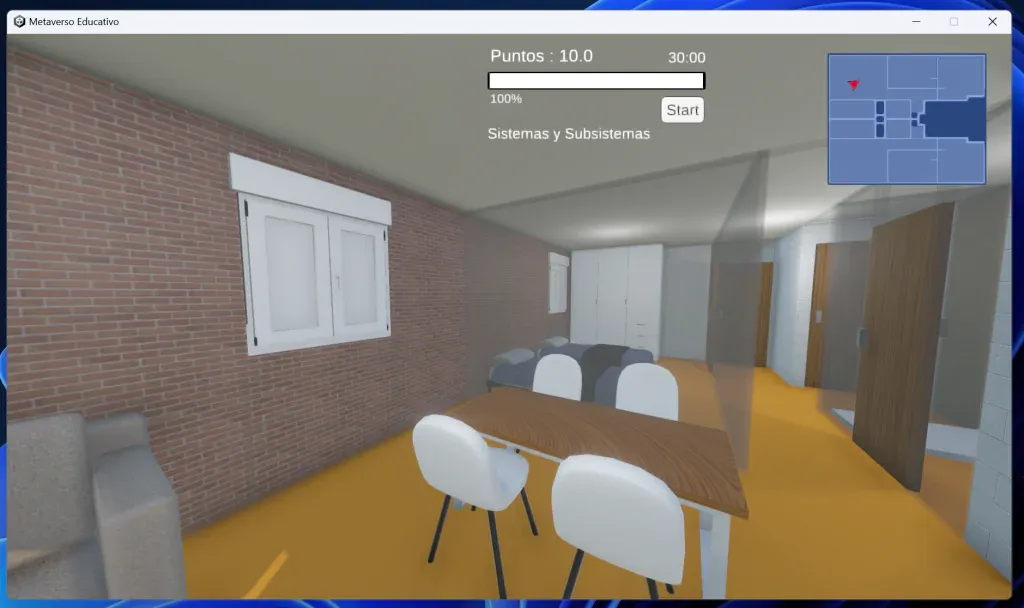
The initiative aims to create an Educational Metaverse prototype with unique advantages for learning and acquiring knowledge. The platform will offer real educational content in core areas such as design, construction and manufacturing, using innovative technologies such as virtual and augmented reality and virtual assistants, organised into activities within an open, standard learning management system that records students' progress and achievements and personalises and adapts the content.
This Educational Metaverse offers many advantages over traditional teaching methods. First, it provides an immersive learning experience in which students in core subjects can engage with content more actively and participatively. This increases information retention and motivation to learn.
In addition, virtual and augmented reality technologies give a more realistic view of abstract concepts and complex processes. Through the metaverse, students can explore virtual environments and simulate real actions and decisions, making it easier to understand and apply what they have learnt.
On top of these advantages comes personalised learning, since the Educational Metaverse makes it possible to adapt content and activities to each student's needs and learning style. This ensures a more individual and effective approach, maximising academic performance.
This innovative approach to education also has the potential to prepare students for the challenges of the modern world, where adaptability and the ability to keep learning are essential.
At UDIT, the project is led by Dr Pablo Nogueira, principal investigator of UDIT's ECSiT Research Group, as part of one of its research lines: Digital Technology and Educational Innovation. Researchers David Alonso, Montserrat Pichel, María Beltrán Rodríguez, Rocío Sancho Alambillaga, Tamar Awad Parada, Andrés Arregui Velázquez and Lucía López Cenamor are also taking part.
With the joint commitment of everyone involved, we look forward to seeing how this initiative transforms education and opens up new possibilities for skills development and personal and professional growth.
REM EXPERIENCE
At REM Experience we specialise in developing innovative systems for adult training. Our projects include immersive virtual reality training in occupational risk prevention for industrial settings and offices. We have also developed 3D simulators that give workers in sectors such as mechanics and marine a safe way to practise.
We are currently developing interactive exercises to complement training on equality plans and preventing harassment in the workplace.
For children and young people, we develop serious games that support learning in social sciences such as history and archaeology, and augmented reality games that make it easier to study subjects such as maths, physics and chemistry.
Our developments boost student motivation and make it possible to track progress through precise metrics on each student's training. They also adapt to the devices each audience and course requires, such as PCs, tablets, mobile phones or virtual reality headsets.