
Mi Talayot
An educational video game teaches young people the key features of Talayotic culture
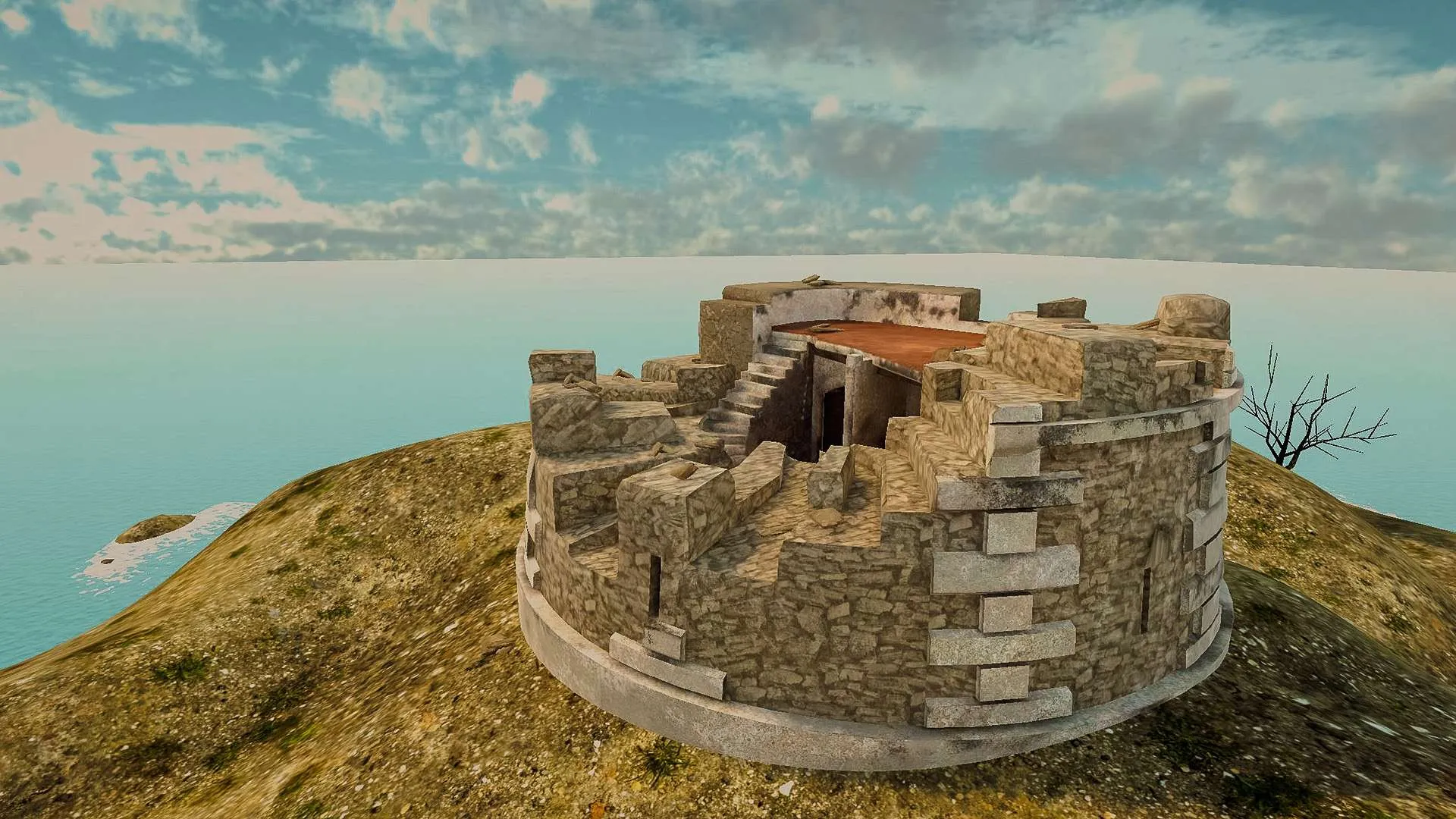
Just as Menorca's Talayotic culture was in line to become a UNESCO World Heritage Site, young people gained a tool for getting to know this prehistoric culture better: ‘Mi Talayot’, the video game by REM Experience in which secondary school students can build their own talayot and understand first-hand what made these 3,000-year-old structures unique and what they were used for.
‘Mi Talayot’ is an educational project backed by the Consell Insular de Menorca (the island council) that shares Talayotic history and culture with young people. The game, part of the history workshops run in secondary schools, runs on WebGL and uses gamification to take students into Menorca's prehistory in a fun way.
WHAT MAKES TALAYOTIC CULTURE UNIQUE
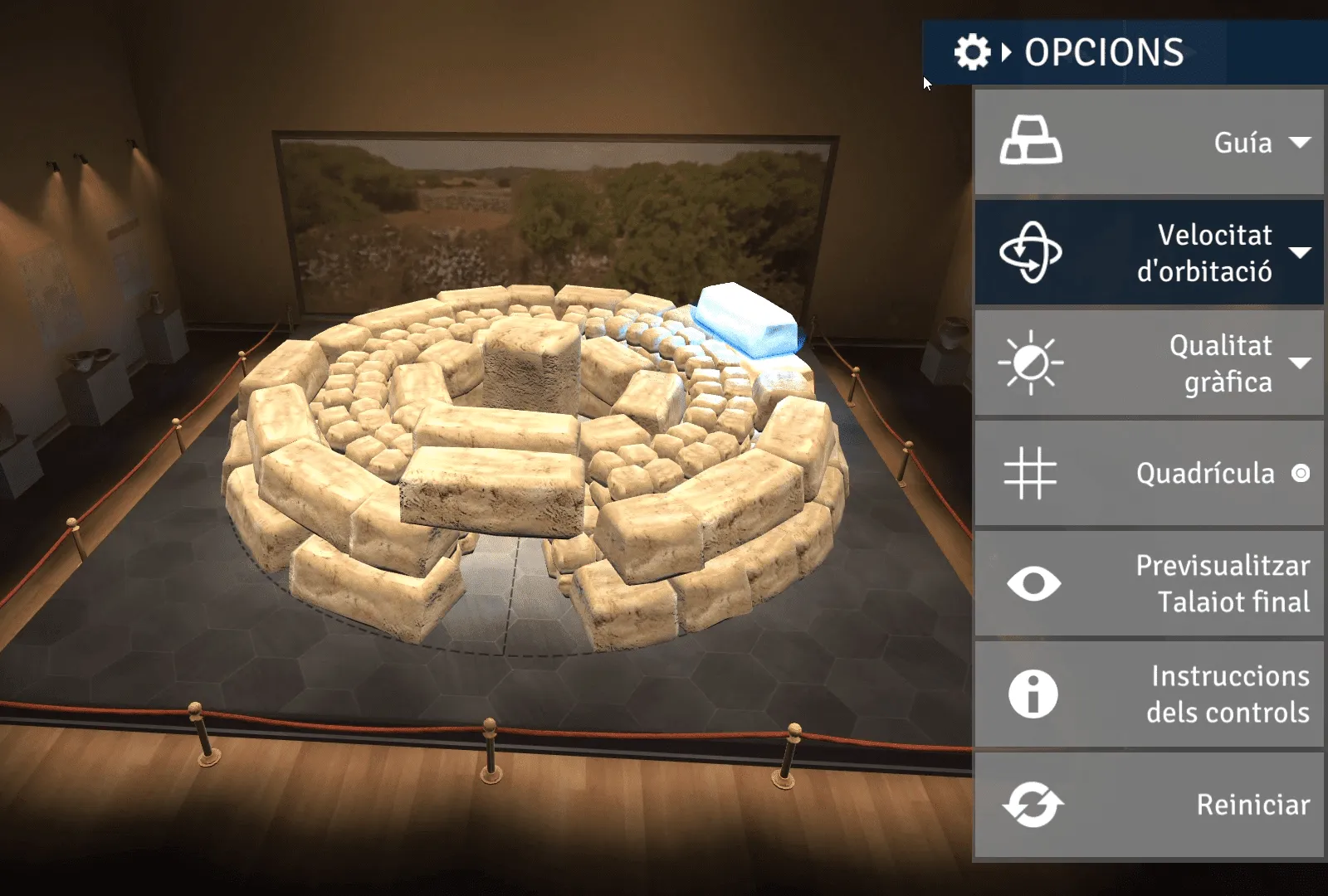
Archaeologist Borja Corral, the project director, explains that with this video game students can learn interactively how talayots were built: “The game begins in a museum that is preparing an exhibition on Talayotic culture featuring a talayot in one of its rooms. To choose the artist who will build it, the museum holds a competition among the students, so each one has to build their own talayot, and in doing so they discover the most important features of these structures,” he says.
Through the immersive, interactive game, Corral highlights, students learn “that the Talayotic people combined very large blocks with smaller ones to build these structures. The blocks were not dressed and were laid dry, without mortar. The largest, 2 metres long and 1.5 metres wide, could weigh up to 3 tonnes! One hypothesis is that they were built using ramps to move the materials, combining human and animal strength… Without doubt an incredible feat!” the expert notes.
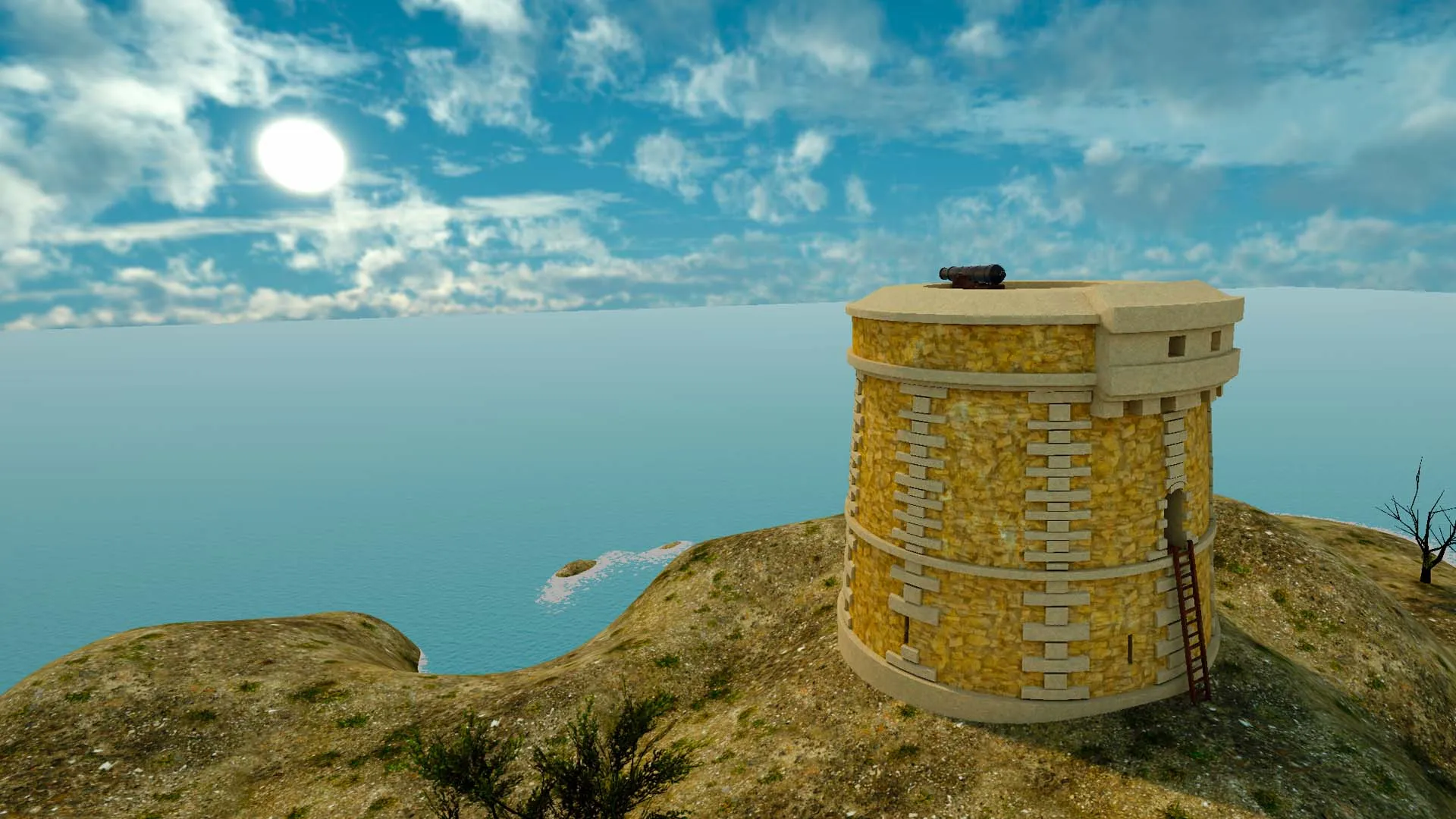
Through ‘Mi Talayot’ young people can also discover what these unusual structures may have been used for, since the game comes with three dedicated teaching units that show students, for example, that these tower-shaped structures could be between 10 and 40 metres high and may have served a variety of purposes.
“Because not all talayots are the same, it is hard to know exactly what they were for, although the most widely accepted hypotheses are that they were used to watch over the land and control the territory, as symbolic buildings demonstrating the community's power, or as a means of social cohesion, since building them from stone blocks, some of them huge, took an enormous effort,” Corral explains.
AVAILABLE ON SALUT JOVE
REM Experience CEO Andreu Florit explains that the educational project, which supports the talayots' bid for UNESCO World Heritage status, is available at http://salutjove.cime.es/ for schools that want to join and teach their students the importance of “valuing, protecting and enjoying our historical heritage.”
Developing new educational tools like this is key to modernising the education system and giving students the chance to enrich their learning in a motivating way through new technologies. “Our goal is to create interactive, engaging learning experiences that ensure meaningful learning and allow students to work both individually and collaboratively,” says Florit.