3D simulators
3D simulation, a booming technology for business development
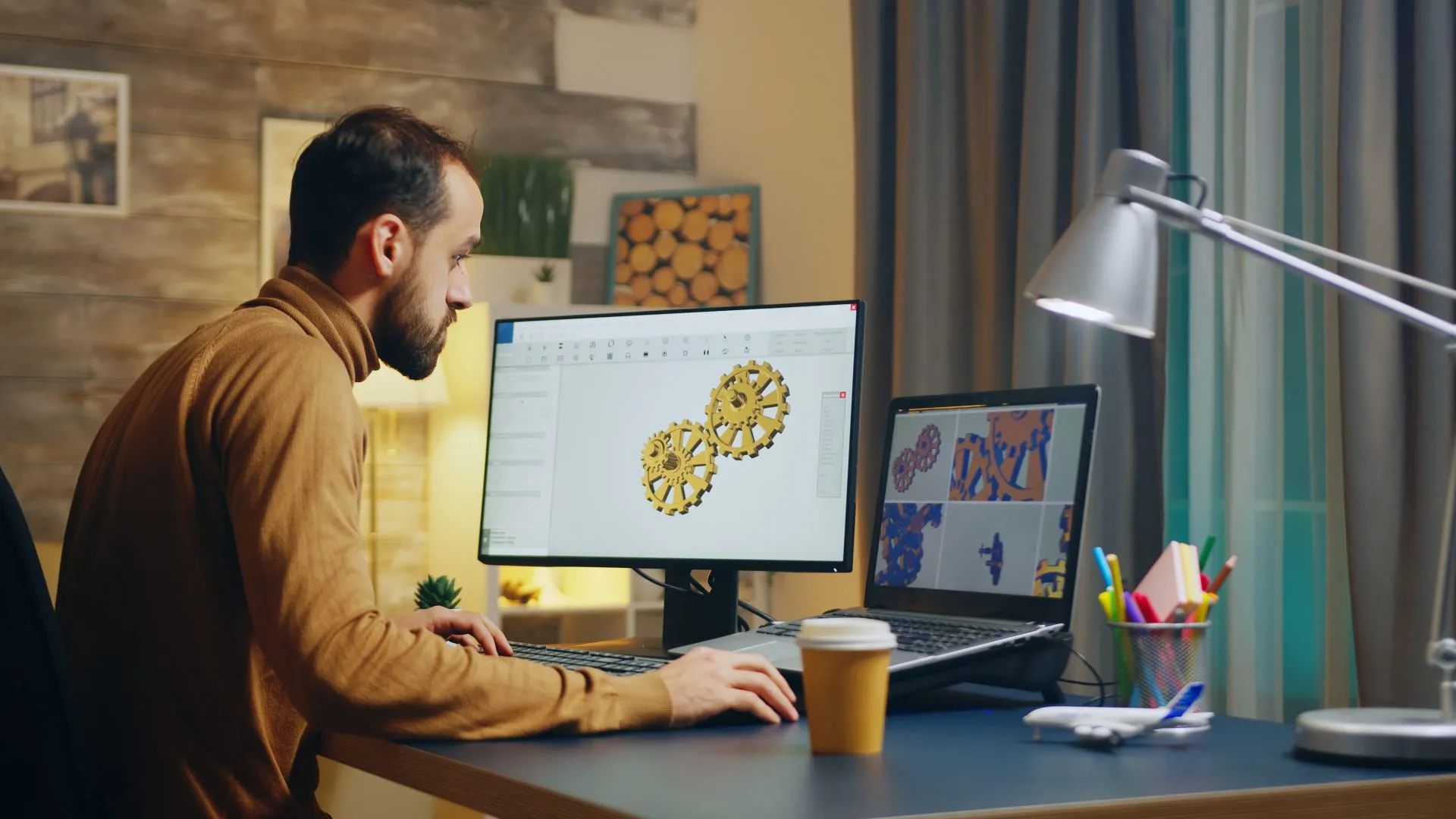
3D simulation is the tool already being adopted by every company and organisation that wants to offer up-to-date, flexible services and training and cut costs in its processes.
The reason is that this technology lets us recreate reality virtually to reproduce how a system behaves under certain conditions. This means we can train our team, practise with a new system we need to launch or analyse how new machinery works, efficiently and safely.
For example, at REM Experience we have developed a 3D simulator that Applus+ uses to train its vehicle inspectors interactively, remotely and flexibly at any time, without needing a physical vehicle, reducing costs and risks.
We have also developed similar projects for training reactor operators, marine sector students and anthropology students, among other fields.
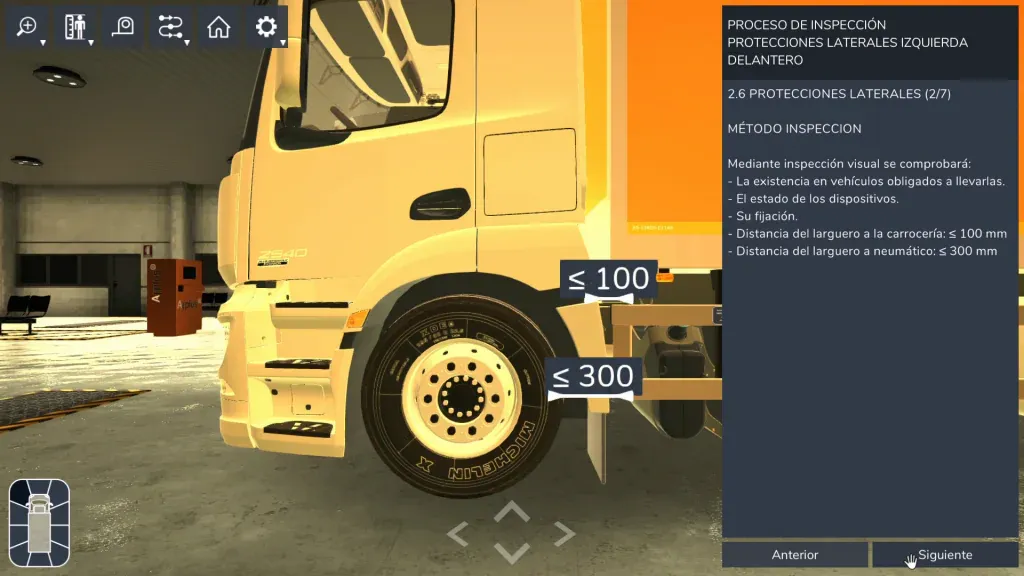
3D simulator for training vehicle inspectors at Applus+
3D SIMULATION IN INDUSTRY
3D simulation is already a trend in a wide range of sectors. To give just one example, in Huesca the first student who completed 50% of her driving practice on a simulator has already passed her driving test…
Companies have realised how much easier and more advantageous these tools make both training their staff or students and introducing new machinery or technology into their processes. Manuel Merelles explains that “the need to reduce production, delivery and quality-testing times in industry has made 3D simulation the most effective way to meet the challenges set by the market.”
In industry, “using simulation technologies has become a necessity, because producing an electric generator and risking a plant that could be damaged by overheating is not the same as running a simulation that predicts those effects,” explains engineer Lorena Rivas Hernández of Autodesk (Mexico).
OTHER ORGANISATIONS
It is not only companies that are using simulation in their training and technology upgrades: public authorities and organisations are also backing 3D simulation. In Castilla y León, the Department of Development has created online banking simulators to help citizens get used to the service and use it safely. And the University of the Balearic Islands (UIB) has launched a workshop on the possibilities of virtual reality and haptic and holographic 3D simulation in everyday life, business and industry, from education to healthcare and fine arts.
In education, 3D simulation has many advantages. For example, it removes the risks of certain interactions, such as those that can occur in laboratories, and provides quick feedback thanks to the data recorded during the simulation. This makes it possible to correct or confirm students' actions quickly and effectively. It also improves learning, since students or trainees must observe the results they are getting and act accordingly.
At REM Experience we make these developments available to every company and organisation, studying the best way to implement them in each business and adapting to its needs and audience. We develop the project with the client from scratch so they can quickly and easily access the advantages of this new technology, tailored to their sector, business and target audience.