
Archaeologist
Teachers vouch for the quality of Archaeologist as an educational video game
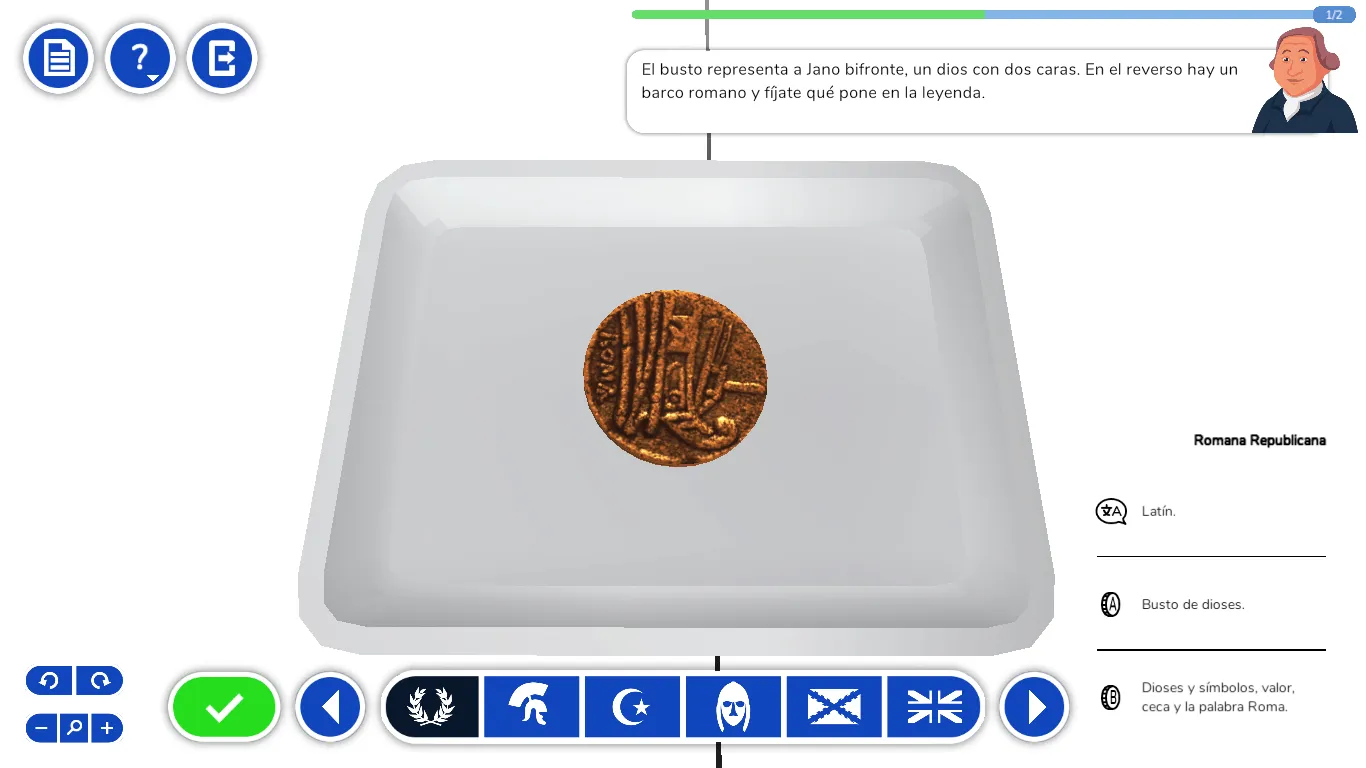
Teachers from different Spanish regions and schools have vouched for the features and quality of Archaeologist as an educational video game that complements the learning of archaeology and history. At REM Experience we designed this serious game so teachers could bring a new tool into the classroom to liven up the teaching of these social science subjects. We have just released a new version that improves the experience, and not only teachers but also families with children and teenagers have taken up the game as a smart way to spend their free time.
Archaeologist has been on the market for less than a year and has already won the approval of many teachers who have seen that the game has plenty of advantages:
Juan Fernández, tutor in Prehistory and Ancient History at the UNED (Spain's National Distance Education University), explains that “Archaeologist is a new tool that brings archaeology closer to young people through something as familiar and appealing to them as computer games.” “This also makes it easy to use, because teachers can use it on classroom Chromebooks and students can then keep playing and learning on their own computers at home,” he adds.
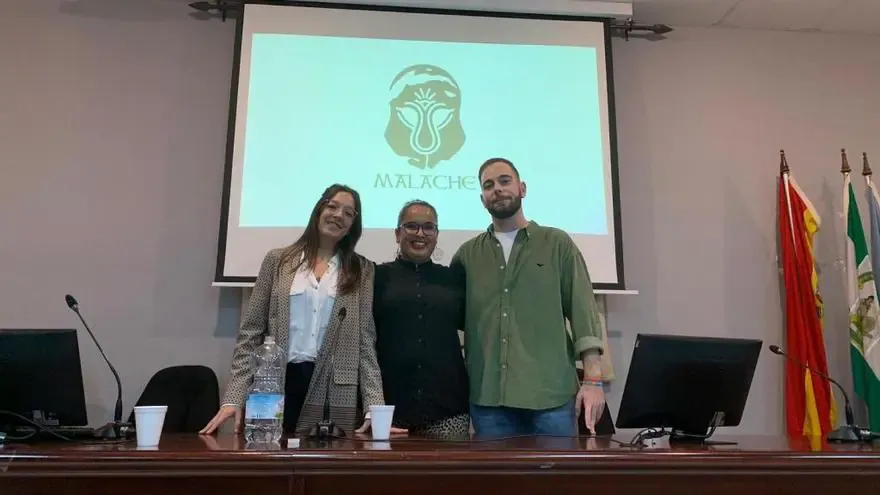
Elvira Fernández, a primary school teacher, values the game's teaching approach: “It's very interesting to have tools like this in the classroom that use gamification. They are the perfect complement to the curriculum, making it enjoyable and motivating students to keep learning.” “I played for 21 days in a row and it was a really rewarding experience,” she says.
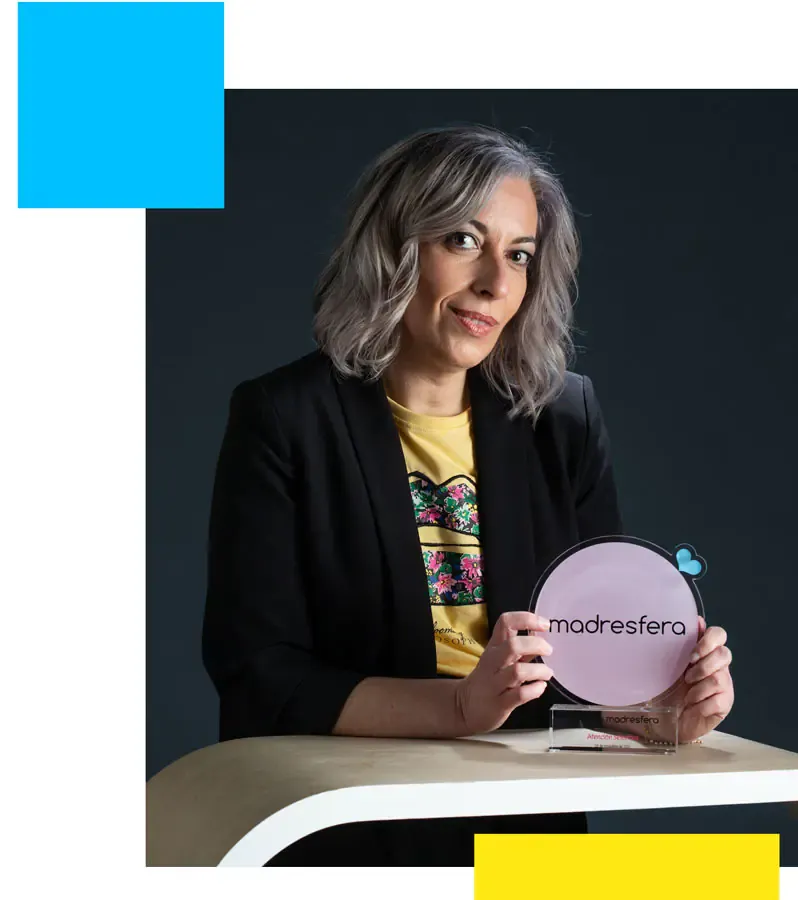
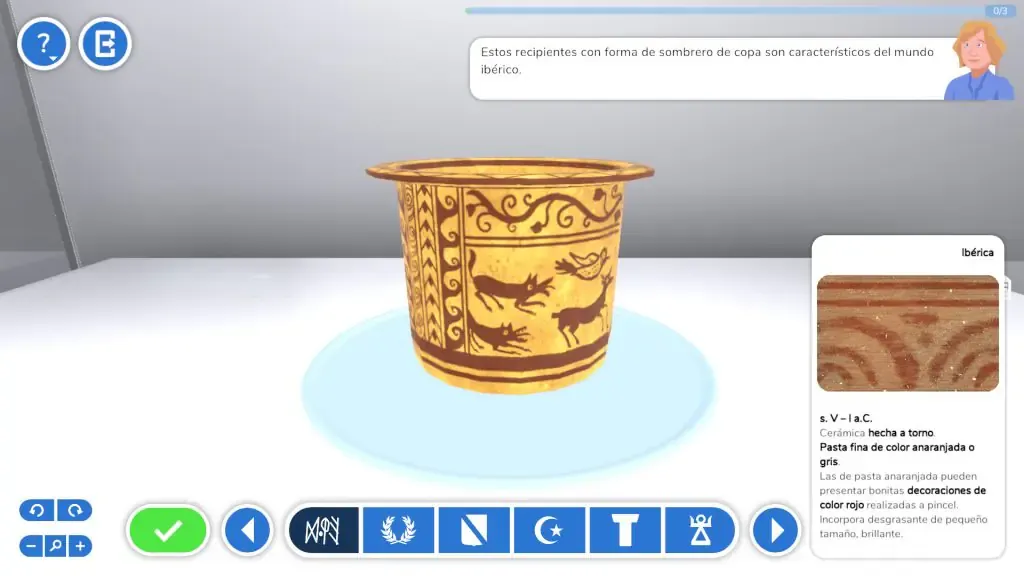
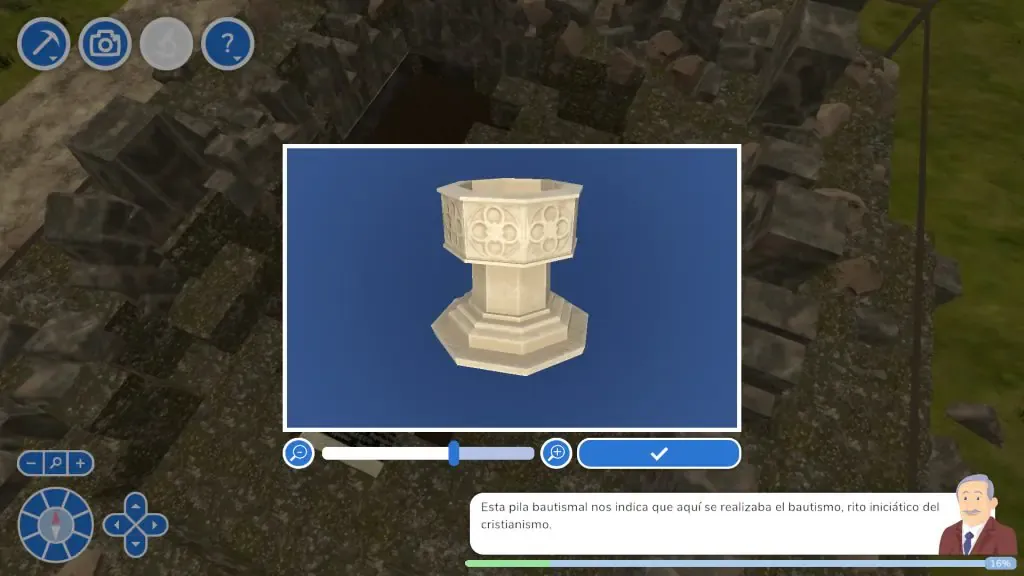
Laura Huertas, director of the Academy of Egyptology, highlights that Archaeologist is a very complete serious game, with 8 excavations at real sites in 5 different countries. “Through each of these settings, gamers can learn the key features of different periods of history, from prehistory and ancient Egypt to the early modern period, excavating like archaeologists and analysing the remains in four different laboratories… so there is plenty to learn while having fun,” she says.
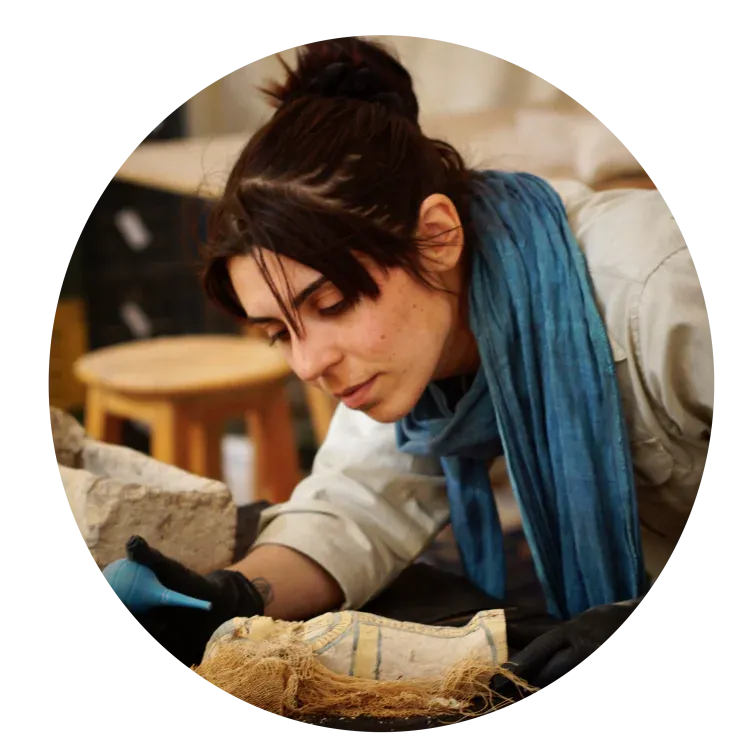
Isabel García Velasco, president of the Madrid Association of History and Geography Teachers, is another teacher who tried the game and was very satisfied with the experience.
What teachers value most
Educational video games are a means of both entertainment and learning. So-called serious games help liven up education, making content easier to absorb and remember and increasing student motivation.
Archaeologist gives young people the chance to become archaeologists and discover the cultures and ways of life of different civilisations using archaeological methods. Teachers also value other aspects of the serious game beyond its content: “Because archaeology generates knowledge through discovery, this tool encourages students to ask questions, look for answers, form hypotheses and find different solutions to the problems that come up,” they explain.
Archaeologist also makes it possible to compare different periods of history and shows users how human beings have responded to different circumstances and challenges.
So while a child, teenager or adult plays this serious game, they develop critical thinking skills, because the activities require them to work like a scientist, checking facts and reaching conclusions. The game also helps players understand the importance of historical heritage as something that must be preserved.
Building skills
Archaeologist is available in Spanish, English and Catalan and can be enjoyed both at home and in lessons on social sciences, history, geography, classical culture and technology, among other subjects, since as well as teaching archaeology and history it also helps develop language and technology skills. In schools, it lets teachers organise group activities and assess what students have learnt. All without barriers of time or place, since the game lets players keep living an archaeologist's experiences from home, at any time.